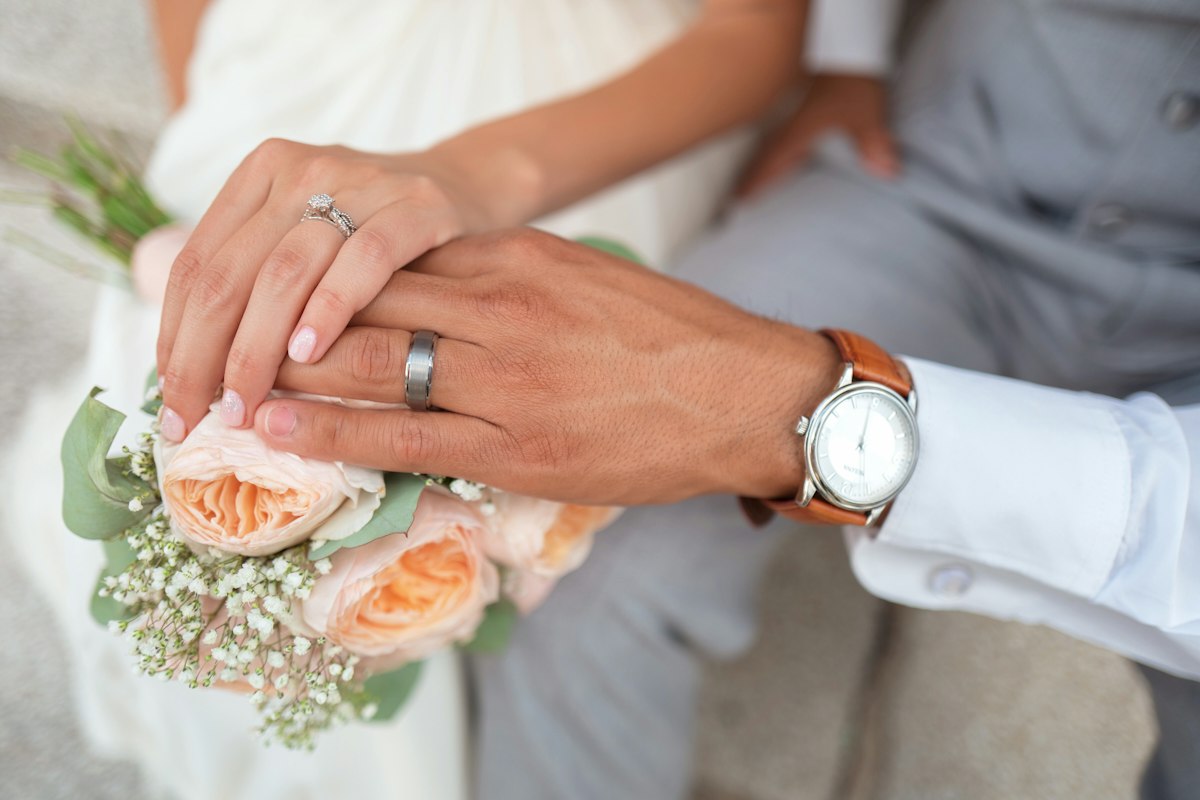
Couples typically overspend on gratuities, alcohol overages, rental upgrades, and shipping or reprint costs after guest list changes. None of these appear as a single large line item, which is exactly why they slip past an original budget by 10 to 15 percent.
Almost every couple finishes wedding planning having spent more than their original number. That's not a failure of discipline. It's a predictable pattern, and once you know where it usually happens, it's much easier to catch early instead of discovering it on the final invoice.
The costs that push a budget over estimate are rarely dramatic. They're small, individually reasonable additions that compound because nobody's tracking them against the original plan in real time.
Why hidden costs are hard to catch in advance
Most initial vendor quotes reflect a baseline package, not the version most couples end up booking. A caterer's quote might exclude service staff gratuities. A florist's estimate might not include delivery and setup fees. None of this is deceptive. It's standard industry practice, and it's on the couple to ask what's excluded, not just what's included.
The second reason is timeline. Line items get added over four to twelve months of planning, and each one feels small in isolation. A $200 upgrade here, a $150 add-on there. By the final month, those additions have often stacked into a few thousand dollars nobody explicitly approved as a lump sum.
The five most common overspend categories
These five categories account for the overwhelming majority of unplanned wedding spending, based on patterns that show up across nearly every budget breakdown.
- Alcohol, particularly an open bar that runs past its planned end time
- Vendor gratuities not built into the original budget line
- Floral add-ons requested after the initial proposal was signed
- Rental upgrades, like better linens or chairs, added during a walkthrough
- Stationery reprints and postage after late guest list changes
Notice that none of these are single catastrophic expenses. They're the kind of cost that feels justified in the moment and only looks significant once totaled at the end.
Vendor fees that rarely appear in the initial quote
Several fees are standard enough that they should be expected, even though first-time couples are often surprised by them. Delivery and setup fees for florals and rentals, cake cutting fees at some venues, and overtime rates for photographers running past their contracted hours are all common.
Ask every vendor directly: what's not included in this quote? That single question, before signing anything, is covered in more depth in our vendor vetting checklist, and it catches most of these fees before they become a surprise.
None of these are single catastrophic expenses. They're the kind that feels justified in the moment.
How guest list changes quietly add cost
A guest list rarely stays static from the first estimate to the final headcount. Every additional guest doesn't just add a per-plate catering cost. It can trigger a reprint of place cards, an extra table and its linens, and sometimes a change to the room layout that affects florals too.
If your guest count is still moving, hold your final catering headcount deadline as firm as possible and communicate it clearly to your families. Our guide on building a guest list you can actually hold to covers how to set that number early and avoid the late-add pattern that causes most of this overspend.
A simple system for catching overspend early
Track every add-on the moment it happens, not at the end of planning. A simple running total, updated within a day of any change, catches problems while there's still time to trim something else to compensate.
Set a hard rule: any single add-on over $100 gets weighed against the overall budget before approval, not approved in the moment during a vendor call. This single habit prevents most of the compounding effect that pushes budgets 10 to 15 percent over their original estimate. Our full budgeting guide includes a simple tracking template you can copy for this purpose.
Reading proposals for what's quietly excluded
Vendor proposals are usually accurate about what they include. They're less consistent about flagging what they exclude, since that's not the vendor's job to volunteer. A photography package might list coverage hours clearly but leave the cost of a second shooter, travel fees, or a rush on final images as a separate conversation entirely.
Before signing any vendor agreement, ask specifically: is there anything not included here that most couples end up adding? Vendors who work weddings regularly usually have a ready answer, since they've seen the same additions requested many times before.
When it makes sense to accept the overage
Not every add-on is worth resisting. Some genuinely improve the day enough to justify trimming elsewhere instead of skipping them outright. The goal isn't zero flexibility. It's making each addition a deliberate trade-off against a different line item, rather than an invisible expense that only becomes visible on the final invoice.
A short example of how overspend compounds
Say a couple adds a $300 floral upgrade during a design consultation, a $250 bar extension approved the week of the wedding, $400 in gratuities they hadn't budgeted separately, and a $180 stationery reprint after three late guest additions. None of these individually feels significant against a $25,000 budget. Added together, they total $1,130, more than 4 percent of the entire budget, from four decisions that each felt minor in the moment.
That's the pattern worth watching for. It's rarely one bad decision. It's several reasonable ones made without a running total in view.
The Bottom Line
Hidden wedding costs rarely come from one big surprise. They come from vendor fees excluded from an initial quote, alcohol that runs long, and a guest list that keeps quietly growing after the budget was set. Ask every vendor what's not included before signing, and track every add-on the day it happens rather than at the end of planning. Set a firm guest list deadline this week if you haven't already, since that single number affects more of your budget than any other decision left to make.
Frequently asked questions
What are the most common hidden wedding costs?
Vendor gratuities, alcohol overages, floral add-ons, rental upgrades, and stationery reprints after guest list changes account for most unplanned wedding spending. Each is individually small but compounds over months of planning.
How much do couples typically overspend on their wedding budget?
Most couples finish 10 to 15 percent over their original estimate, largely due to small, individually reasonable add-ons rather than one large unplanned expense.
Should couples ask vendors what's excluded from a quote?
Yes. Asking directly what a quote doesn't include, like delivery fees, gratuities, or overtime rates, catches most hidden costs before a contract is signed.
Does a growing guest list really affect the budget that much?
Yes. Each additional guest can trigger catering costs plus stationery reprints, extra table rentals, and sometimes floral changes, so a guest list that keeps growing adds cost beyond the simple per-plate math.
About Sophie Langford
Sophie believes a successful celebration should reflect the people and purpose behind it rather than follow every current trend. Her approach encourages readers to choose details that feel meaningful, suitable for the venue, realistic for the budget, and comfortable for guests.
She writes for readers planning their own events as well as professionals seeking ideas and planning resources. Her advice recognises different cultures, family structures, event sizes, traditions, and financial circumstances.